Replay | Intake Insights: Strategies for Procurement Success

In this Community Q&A, Focal Point CEO Anders Lillevik, and Amanda Prochaska from Wonder Services break down how procurement intake is evolving and why it’s critical for modern teams.

Learn how leading organizations are simplifying request intake, improving user experience, and gaining better visibility into procurement workflows.

Watch to explore practical insights on reducing friction, connecting systems, and turning intake into a strategic advantage.

00:00: Introduction & Speaker Intros
03:09: What is Procurement Intake & Why It Matters
08:10: Common Challenges in Intake & User Experience
11:39: Digital Transformation & Role of Intake
17:06: Tools & Systems for Procurement Intake
21:52: KPIs for Measuring Intake Effectiveness
25:41: Continuous Improvement vs Transformation
31:26: Future of Intake with AI & Emerging Tech
37:41: Live Q&A & Open Discussion
44:26: Procurement Advocacy & Business Case Tips
51:39: Closing Remarks

0:00
okay and we’ll go ahead and just give everyone a minute to join and settle in if you want to send a message in the
0:08
chat with where you’re joining us from definitely feel free um I am joining from Atlanta we’re focal points
0:16
based I’m in New York City myself um just here for meetings and uh investor
0:23
meetings and I’m in Las Vegas because it’s
0:28
home okay chat’s disabled thank you for letting me know let me make it say I
0:37
only see host and pan I want to let you guys be able to chat with us for sure okay all right that should be
0:44
updated so now you guys should be able to send us where you’re at in the chat feel free if you have any questions off
0:49
the bat definitely feel free to send them in the chat we can chat about them later but we’ll have a um an open Q&A at
0:54
the end where we can discuss things but this is definitely collaborative so if there’s anything you want to comment on we definitely want to hear what you have
1:00
to say feel free to go ahead and send that um in the chat during the webinar and looks like people are still joining
1:07
um but maybe we can just have yall go ahead and start with some intros people can keep trickling in and then we’ll go ahead and get in everything you want to
1:14
kick us off Mana sure absolutely so I’m so happy to be here it’s always a pleasure to be with both of you and and
1:21
talk about all things procurement and um so Amanda perasa I am the chief Wonder
1:27
officer of Wonder services and oh Anders I know you smiled when I said that that’s that’s awesome I love my title um
1:34
didn’t CEO didn’t feel like it fit for me so um but we are all about change
1:40
management process Improvement and project management uh services so we help deploy wonderful tools like focal
1:47
point and many others within the procure Tech space and uh and I I have a passion
1:52
for doing that I’ve been doing it for 21 years now which is crazy four and a half
1:58
of those at Wonder services prev previously in my corporate rool so happy to be here today and have this
2:04
conversation thank you very much uh so yeah for those of you who don’t know me I’m Andrew lilic I am not a Wonder
2:10
officer I’m I’m a founder of focal point uh I’ve been running focal point for about three and a half years now and I’m
2:17
a recovering Chief procurement officer so I spent um 20 plus years uh in procurement as a practitioner uh so I
2:25
was a CPO for companies like Fanny May QB Webster Bank Citizens Bank and and uh
2:30
I start a focal point to to deal with some of these issues we’re going to talk about today uh focal point is a B2B SAS
2:37
platform for procurement organizations to optimize and standardize their
2:42
processes and today we’re going to talk about uh intake and what what we feel about
2:48
that I’m excited okay so I got one more message that said that you couldn’t access chat just
2:56
updated one more time it should be good for good this time so if anyone does want to hop in and try to share where they’re joining us from okay looks like
3:02
we’re good now exciting thank you both so much for intro your let’s jump right into it so
3:09
today we’re going to be talking all things intake we do have some presubmit questions for you guys to go over but we
3:15
also are going to oh awesome thanks Madison yeah just hearing she’s here from Boston and um we’ll we’ll start
3:22
with going through these but we’ll definitely have an open Q&A session at the end so let’s get
3:28
started so question one we’re talking about what intake is and why it’s so important so let’s just get a baseline
3:34
from the two of you I’ll go I’ll go first Andrew is gonna have a lot more to say about this
3:40
one than maybe I will so I’ll go first and you can you can uh tag on your thoughts but I I truly like when we’re
3:47
working with all of our clients one thing that I’m seeing more often than not is the seamless interaction between
3:55
procurement and the rest of the organization with AI coming online and more userfriendly options um for almost
4:04
like a self-service type of a feel where information and um insights can be right
4:10
at your fingertips I think intake and procurement needs to involve more and more into intake solutions to meet that
4:17
demand um another thing is procurement can be confusing like it it’s I I always
4:23
tell people if I’m a salesperson and I need to buy something I don’t care that we have 15 different buying channels and
4:30
nor do I care to learn what those are so speaking from a change management hat um
4:36
having intake is uh so beneficial to make sure that your end users don’t need
4:41
to understand procurement but they still get directed into the right places in the organization to make their purchases
4:47
so I think between those two things it’s a really important topic to have right now and for people in procurement to be
4:54
considering an intake solution so yes I’ll add that right like
5:00
so at the end of the day like when I was in procurement as a practitioner we would get demand coming all out of you
5:07
know from from everywhere right so you would walk the hallways you pick up a project you get an email you pick up a
5:13
project somebody would call you back in the day when we had landlines and you pick up a project and it’s a matter of
5:19
sort of figuring out how to accumulate all this demand and then Channel it in the right areas right and I think now
5:27
that there are solutions out there where you can actually go to one spot and either get help to to finalize your
5:34
transaction whether that is a traditional you know I need to buy something great here’s the catalog item
5:40
here’s the recck here’s the PO and off You’ go right or I need some help with something I I need maybe I need an
5:45
invoice or I need a a copy of an invoice maybe I need a contract maybe I need something that is purely tactical and
5:53
they can go that and do that in the same same way like you go one spot you get help you can get a redirected to say all
5:59
right I need to book travel great we’ll send you to that travel booking tool or I need to deal with a um supplier okay
6:05
fine here here here here here you go for that but more importantly as a procurement practitioner it’s also I
6:11
need a full-blown procurement project I need help in procurement excuse me and it’s about
6:18
making sure that people can go into one spot figuring out what they need to do and how how they can get help from
6:24
procurement in one spot and I think you know as a procurement leader I think the
6:30
important thing for me is to have a better user experience for your users being able to manage that process of of
6:36
taking in new projects and bouncing them up against other priorities you may have going on and look at things holistically
6:43
across the board and we think about that sort of like all right you already have stuff that you’re working on right now and then you got stuff coming in the in
6:49
the front door and say all right how do I stack these up in terms of priority and I think that is again like why
6:56
intake is important because it can actually make it more more visible about where you’re spending your time where
7:01
you’re adding value and how are you interacting with your clients internally so I think again like I think inch has
7:08
been around for a long time there there are companies out there that created uh I mean it was called I request from
7:14
zikas when I first saw it but it was in my op my opinion it was fairly you know
7:20
uni uni Channel like yeah anything’s going to turn into a PO at some point well no that’s not always the case right
7:26
so right uh but but intakes been around for a minute it’s just it hasn’t really taken off until you know two years ago
7:31
or something like that absolutely yeah I think that was really really good anything else to add
7:36
Amanda no I think that I think we’ve covered it it’s always uh lovely to hear Anders and such passion from Anders I
7:43
mean that this is why you are doing what you’re doing is because of what you just said and so um I always love hearing
7:51
your insights there absolutely and I think this is a good Baseline because we’re about to get into how intakes
7:57
changed and its future so so our next question is going to be talking a little bit about common challenges fa during
8:04
the intake process and how they can be mitigated which Andre obviously I know a lot of your passion lies here too so I’m
8:10
excited to let you guys take a crack at this Andrew do you want to go first on this one yeah I mean at the end of the
8:16
day like I think as you’re setting up um your intake solution like the
8:22
biggest the biggest problem that I always find is that people don’t necessarily know all their buying channels or know where everything is
8:28
going to end up and being able to figure out like how do I actually set this thing up to add the most value with the
8:35
least amount of friction and you know procurement is known for creating these
8:41
200 question questioners right and that doesn’t work anymore so it’s a matter of like you know creating some brevity
8:47
around you know the amount of information that we collect to add the most
8:52
value and and then figuring out like what where do we go from here and you really you have to put the user
9:00
experience at Heart Right like people sometimes want to go from the Wild Wild West to communist China overnight it
9:06
doesn’t really work that well so it’s it’s about deciding you know where are
9:11
you going to add the most value and and going after that as a key tenant yeah and I I would Echo that I
9:18
think a lot of the challenges are just trying to Define what this looks like right what what your process actually is
9:25
and and how you want to design it into an intake tool and really changing the
9:30
game when it comes to the mindset of procurement so often when we’ve designed at least in my past when I was designing
9:36
these Pro processes originally it was very procurement focused like what does procurement need from this process and I
9:44
think when you go into intake it’s really about that customer Journey so it’s not just a process map but it’s
9:51
really thinking through how does your customer move through this process and ultimately get what they need um and a
9:59
along the way you need to be thinking about okay what does this mean for procurement Etc but really kind of
10:04
flipping it over to say I I need my customer to have this really nice simple
10:11
journey into procurement to get what they need awesome all right thank you both so
10:19
with that is there anything else you want to add on challenges and intake all
10:24
good well just one more I I I just thought of one more so I obviously I do change management right
10:31
so you the the way that these roll out obviously they’re going to be very they
10:37
should be very integrated into what people do but if there are spots where they’re not you do have to think through
10:43
how do I get people to adopt this and how do if I’m used to like we have a client right now that it’s largely email
10:51
back based and we’re trying to move them into more uh in into a system where
10:57
Communications can happen so um if people are used to emailing Jane
11:03
because Jane’s super responsive and she knows what she’s doing and it’s really easy to do that and now they have to go
11:10
through intake we have to think through what does that transition look like and how do we make that happen yeah
11:17
absolutely and I think once you made a post um that that did really well talking about empathy as CEOs and
11:23
empathy in procurement and I think a lot of change management like for you as well Amanda is really thinking okay how
11:28
is this affect my people what is their thought process and how can we make this as easy as possible so I think that’s an
11:33
important as well Amanda yeah yep absolutely cool all right question three
11:39
the fun begins digital transformation and how has that impacted the procurement intake process I think Amanda what you just said is a really
11:46
really good lead into this yeah yeah and I I love this question because so often
11:51
we get clients that are like we have either one core end to-end system but it
11:58
still has has its opportunities here and there or we’ve gone out and we’ve
12:03
purchased best and breed Solutions right part of the reason why I started Wonder Services is that I started this EV I I
12:10
started noticing this Evolution within procurement and procure Tech and I started thinking about the poor end
12:17
users right all of this procurement Tech is awesome right and it it’s it’s it’s
12:23
making a difference in our world but if end users get confused on where to go
12:29
and how to use those they’re not going to be adopted at the end of the day and we’re we’re wasting money and nobody
12:34
wants that um so so that’s why I was like we we need to be thinking about this differently how how can we make
12:41
sure that end users really know where they need to go and intake is a huge part of that solve um so I’m glad to see
12:49
all uh you know intake kind of taking the spotlight because we un users
12:54
shouldn’t need to know I I have a have an example of just a very simple and
12:59
this is a a potential client that we’re talking to but they are on uh an endend solution and they just brought on a VMS
13:06
solution a vendor management solution which is great like they’re they’re taking charge and and they’re these
13:13
these Technologies are going to really make an impact but the question is how do my end users know when to use the
13:18
endend and when to use the VMS and so that’s where intake really
13:26
can help is the end user doesn’t really need to know intake can direct them to
13:31
the right location so I I can talk about this for
13:36
days Andre I’m sure you have some stuff to add to that yeah so it’s interesting
13:43
right I kind of look at intake as as just a part of the transformation of procurement technology right so I think
13:50
at the core of it you know you need you need to get work in the front door and then you need to work on that work and
13:56
you need to make sure the client is updated right so at the end of the the day like what we need is something that moves projects from left to right and it
14:03
could be a large project like like full-blown RFP or could be a single transaction but at the end of the day
14:10
like you need one place to go one place to sort of figure out where like how to execute and then track the progress
14:15
along the way and I think that you know intake it the war doesn’t do it justice
14:21
right because at the end of the day it’s it’s where the work gets done for end users and and procurement is kind of
14:28
like the you know to feed under the water for the duck right like you can only see what’s floating on top of the surface and that that’s what the user
14:34
gets and then behind the scenes there’s a lot of work being done that involves third parties inside the company it
14:40
could be risk it could be legal it could be compliance it could be whatever but at the end of the day I think now that
14:46
folks are starting to look at things as a yeah okay I go here and I put something in and then you know work
14:52
happens and I get notified as that thing moves along and I think that that’s why I I think it’s become so much more
14:59
powerful it’s kind of where you know it’s kind of the focal point if you will where people go and figure out you know
15:06
all right here’s here’s the status of my project this is where my purchase order is sitting in the queue right those kinds of thing and I think having that
15:13
idea that having a bunch of of systems doesn’t it’s not enough anymore like you need something that ties them together
15:19
so that you get redirected to the right place you get the help that you need you get the updates that you need along the
15:25
way and I think that helps procurement people think more like Ser as like a
15:30
service organization rather than a back office function and I think that’s where we need to be yeah it’s interesting as
15:37
you were mentioning that I was thinking of I wonder if everyone on the call could take take take a moment to think
15:43
about where you get information from right so as a a sourcing professional as
15:50
a buyer who whatever role you’re playing in procurement think just take a moment to think about where you’re getting all
15:56
of your information from and it’s probably a little bit of email it’s probably your end to end system it might
16:02
be an Erp it might be the the hallway conversations it might be other things
16:08
and so as you continue your digital transformation there could be even more
16:14
of those spots where you’re getting information or you need to get status updates from and really intake puts a
16:21
bow around all of that so it creates this way that you can operate effectively and also offer status
16:29
updates not only to yourself to make sure you’re not uh falling behind anything but also to your stakeholders
16:36
and anyone else involved in the process so it’s it’s really putting a bow around all of that all of those places where
16:43
you get information today and uh making it more effective for you at the end of
16:48
the day I love that I really love that I love when you get to say the title of the movie in the movie when it comes to
16:55
be focal point and then I also love the the notion not procurement it’s just event little ducks with their feet
17:01
scooting along the river adorable that made me smile okay let’s move to the
17:06
next question question number four so this is getting into the nitty-gritty we’ve we’ve we’ve we’ve stated the
17:11
problem there’s so many different places where we’re getting data um both for us to manage internally and for the business user um when they’re trying to
17:18
have their needs met so um in light of that are there specific tools or software that you guys recommend to streamline and manage that procurement
17:25
intake how is that benefiting both procurement and the um business users okay Anders I’m sure you’re gonna have a
17:33
really so obviously like you know the way I say this is kind of like intake is flavor of the month right so there’s
17:39
lots of there’s lots of tools out there that that that do really well and I think what um and I’m not going to
17:47
mention any names including our own but at the end of the day right you need to figure out you know we’re procurement
17:53
people right start with requirements right what do you need this thing to do and and how do you want to do it and
17:59
what systems do they need to talk to and what kind of information you know goes in and out of this solution I think
18:05
that’s ultimately it’s going to drive your decision about what you do um you
18:11
know I I’m you know I’m a bit older right so for me this whole idea of everything needs to be whis banged and
18:16
and Aid driven like yeah there’s some value in that the question really is like what is the value and and are you
18:23
user going to enjoy chatting with a with a bot and I think that’s you know one
18:28
man’s opinion for what it is worth but you know there there are lots of tools out there you don’t have to look particularly
18:35
hard um you just got the best compliment in the chat that Anders can’t be older
18:41
than 28 gonna point that out Larry thank you for
18:48
that so Larry Larry never go with the D to to the eye doctor please
18:55
don’t no um I don’t think you’re as old in your heart as a you know you’re
19:01
you’re very young at heart so I was actually thinking about flipping this question a little bit on the head because I think you you covered the
19:07
answer to this question what I get is why can’t I use like something that we
19:12
already have where it’s intake for a different organization or part of the organization like service now or jira or
19:19
any of those and so it’s it’s tempting right to look at what you have internally for um other intake processes
19:27
but I would say that just from diving into some of those Solutions they’re not tailor made really for procurement and
19:35
so um so I would highly recommend if you are looking at intake to look at your
19:41
actual requirements detail those out and understand that um you might have a
19:48
quicker path to implementation and success by going through an intake tool that’s built for procurement versus um
19:56
trying to fit something into to an existing intake solution so that’s
20:01
that’s my two cents on this question kind of flipping it on its head and I can I can add to that right like we we
20:07
run up we run against you know we have we talk to organizations that have Legacy tools we’ll put it that way for
20:15
intake right and specifically it they realize like well you already have something and just this is intake so
20:20
like or this is workflow when we use that like if all you have is a hammer everything looks like a nail right and
20:28
you know at the end of the day like the amount of work that is needed to build Integrations to build flexible workflows
20:34
to B conditionality into some of these Legacy Solutions is is excruciating
20:40
right and um you know one of the uh one of our clients uh that is looking for um
20:49
for an intake solution uh basically for for their 45,000 end users inside your
20:55
organization um contacted one of the Legacy providers and said well what will it take to do this and you know again
21:04
without naming names like they would have to stand up a brand new environment of this Legacy provider they would have to spend literally millions of dollars
21:11
configuring it to do the base use case of what focal point does and it’s not that complicated right it’s it’s it’s
21:18
you know ask ask a bunch of questions get a get the right answer and get directed through the right spot doesn’t sound that hard right and yes you can
21:26
you do it in in some of these like yeah you probably can should you do it maybe
21:32
not how long will it take and what will it cost I think you know you have to sort of again procurement you have to
21:37
start with requirements right and then figuring out what the right solution is and just because you know you have
21:44
something that looks like a hammer or like a nail doesn’t mean you should always use it sure 100% awesome cool all
21:52
right so let’s move on to question five um of course this is important so what
21:58
kpis key performance indicators should organizations track to measure the effectiveness of their procurement
22:03
intake process Anders you want to go first on that one I took the last
22:11
one hope you’re on mute Anders Anders you’re on
22:17
mute yeah I I kind of go back to the days when I was uh working at a large organization that had a very large call
22:23
center right and we always track something called first first call resolution right if the customer has to
22:29
come back and call you twice that’s a failure right so at the end of the day I think the biggest performance metric is
22:34
how what percentage of self-service is happening where you don’t have to get engaged where the customer gets what they need the first time around and you
22:42
know there’s a great book called the best service is no service right where basically you know people can take care
22:49
of what they need to do by themselves and I think that is ultimately the Fantastic API the second thing I would
22:55
add and we do this quite a bit we track net promoter scores so how happy are people with the experience that
23:02
procurement has put them through right and I think that is also a key indicator right so I call that efficiency and then
23:09
Effectiveness right like can they get to where they need to go can they get their demands met and are they happy about it
23:15
yeah I will I’ll add a couple more to that because those are those are wonderful the couple that I was thinking
23:20
of was almost like a cycle time right so uh we hear a lot about procurement being
23:27
a black hole that stuff goes in and it takes a long time for it to come out so how are we
23:33
measuring the cycle time of the the items that are coming into our cues and we’re managing through intake are We Are
23:41
we more effective at completing those activities because now we have visibility assignment and um recognition
23:50
of how we’re balancing our resources so I think that cycle time is important and then I think there’s also another
23:55
indicator and this might be a sub of one of of yours Anders is how many people are coming into procurement asking for
24:02
status updates like can we can we track the reduction in just that alone to help
24:08
increase your net per your net promoter score I think would be a huge uh huge
24:14
benefit for procurement if end users could just or any anyone that’s requesting assistance from procurement
24:20
could see the status of what’s going on versus having to pick up the call uh call Jane or email Jane in procurement
24:28
and and I’ll sort of add on to that right some of the things that we run into is is the whole idea of quantifying
24:33
benefits right and reducing cycle times for example is one of those things but
24:39
since there are no methods effective methods of tracking cycle times today you’re s of you you’re comparing
24:45
yourself to to something that is not measured in the front end of the process right um so when when you don’t know
24:52
what the Baseline is hard to actually measure the outcome of an effective process so I I would challenge you to
24:58
sort of say well how am I tracking how am I tracking cessat today how am I tracking cycle times today because
25:04
you’re probably not you know and maybe that’s a reason
25:09
why to get intake right I mean that that we aren’t measuring it today is a problem um and
25:15
that’s maybe what’s leading to some of the bad the bad PR that we get out there from our stakeholders about the black
25:22
holes is that we don’t we don’t know how to Market that effectively we’re not managing it we’re not measuring it so um
25:30
that that is a a huge probably business case for getting something like
25:35
intake awesome all right thank you both that’s perfect so that takes us into our
25:41
next question so talking a little bit about how often an organization should
25:46
review and revise its intake process I think this kind of piggybacks well off of some of the things we’re talking about but even with you know the the AI
25:55
question you know so there there are these very new topics that keep popping up how often and and how most
26:00
effectively should should intake um be be revised and
26:05
reviewed so well goad I’m gonna start by challenging that I think probably a lot
26:11
of organizations don’t know what they have today right so to my earlier question if you stand stand back and
26:17
really take a look at how your procurement organization is functioning today and all of the different areas
26:23
where you could have an input into the process um there there’s probably
26:28
several different ways to get in contact with procurement today um a lot more than probably people think so I would I
26:36
would challenge to say let’s start with understanding what you’re currently doing today and what challenge that is
26:43
to the organization not only to your end users but also to the management of the
26:49
work that’s going on in your team um then to me um it’s always continuous
26:56
Improvement you’re you you should have once you define it this should be a continual effort to revise and learn and
27:05
be agile as the organization continues to change because remember I we’re we’re
27:11
facilitating an organization to be successful and that organization is in constant motion so this would be a um
27:19
whatever intake you decide to do it should be easy to design and configure
27:25
and and update as your organization continues to move so Anders go yeah I mean end I
27:34
think you hit the nail on the head um Sarah sorry um Amanda I think at the end of the day you know we need to
27:40
continuously improve right um it seems to me like um procurement is always
27:47
transforming every time a new leader comes in they transform the organization and it’s exhausting right so I’m going
27:53
to take the old process rip it out replace it and I’m going to put new tech and rip it out rep place it and now I’m done like now we’re awesome right but I
28:00
think ultimately like it’s not a set it and forget it type of thing you need to constantly come back and say all right
28:06
what incremental changes can I do to to make this successful and I think a lot of time and money and a ton of effort
28:12
has been spent replacing products replacing software that doesn’t need to be replaced right it can be
28:19
incrementally enhanced you can rethink how you implemented something in the past like don’t throw the baby out with
28:24
the bath water and and just make sure that make sure that the tools you have work for you the best way and I think if
28:30
we think about it that way you don’t need to have these Herculean efforts to go through change management every
28:36
single time you know uh a new leader comes in I think that’s the important part like make sure that it’s continuous
28:42
improvement process rather than transformation I think we we could we could do with some of that yeah we could
28:49
and and I heard a stat I think the average CPO right now the tenure of a
28:56
CPO is like like just just under two uh three years so it’s like 2.8 years or
29:01
something like that so yeah if we’re doing a transformation every 3 years uh that gets pretty
29:07
tiresome so uh and I’ve been one of those leaders I I’ll admit it that I
29:13
that was basically what I did um in my corporate career but um there are such
29:19
Solutions out there today where it doesn’t take a transformation it takes thoughtfulness and continuous
29:25
Improvement and um a willingness to understand that customer journey and you can make such an impact but I also think
29:33
again like again we’re software company so I’m going to sort of speak speak ill about a software company but software
29:39
companies also need to come to the table to say look we didn’t get implemented correctly the first time around uh can
29:46
you please help us so that we can you know get the best use of your solution I think part of the problem is us like you
29:52
know we we we sort of would to have the customer on on auto renew and just keep rolling and doesn’t always work for the customer and sometimes that’s why we rip
29:59
things out yeah well and that’s a large part of what we do at Wonder Services is we go in after the fact and help
30:06
optimize the solutions because and I I and Andrew you probably feel the exact
30:12
same way but part of the reason why I got into this is because we were finally getting money in procurement like when I
30:18
started we never saw a dime it was like yeah yeah yeah procurement but we were starting to get investment and then we
30:25
Implement these Solutions and there like half faked Y and and I I I do put that a
30:31
lot on implementation teams in general SI and the the tech because they’re so
30:39
focused on just getting the the tech up and running that they forget about the
30:44
user experience and the effectiveness of the tool long term um getting getting a
30:51
tech up and running is not the hard part sure that was a little bit of a
30:56
trick question that that led down into a into the road of doing all this thoughtfully which I think I think are
31:01
really really good answers ah yeah I think that was a really good good message in chat too of
31:07
experience working with companies that undervalue investing in oranization as well and I think that’s true as you do
31:13
finally start to get money you do start to get that investment it’s critical that the tools that are implemented are implemented thoughtfully and effectively
31:19
yeah for okay well that takes us to question seven of course we had to put a question about AI it wouldn’t be 2023 if we
31:26
didn’t um so how do you see the future of procurement intake evolving with the rise of Technologies like AI blockchain
31:34
um or do you at Alla
31:40
okay um so I think they’re going to play really nicely together in the same
31:47
sandbox um and the reason why I say that is AI look I’ll give you an example from last night so my daughter my 13-year-old
31:54
call uh just gets done with Dan she it’s like 9:00 at night and she’s crying
32:00
because she has a paper to write uh and it’s due today and she was starting to
32:06
work on it last night we used chat to help her think of like they gave her a
32:12
list of different topics to write about she uh used the the chat gbt to find
32:18
sources of uh so she could go research different companies that do this type of
32:24
research and it completely accelerated her ability to write the paper last night it we I did not let her use it to
32:31
write the paper but it was an input to being able to accelerate what we do in a
32:37
very agile and thoughtful way so I use that story because I think AI is going to do the same thing people in
32:44
organizations as organizations continue to develop AI there’s going to be this
32:51
this thought process around having really insights at your fingertips no longer are people going to
32:59
be able and willing and wanting to have um to hand stuff off to another
33:05
organization without having the visibility to what that status is um AI
33:11
is going to drive a lot of that behavior and so that’s why I said in my earlier comments if you’re not thinking about
33:17
intake you’re going to have a gap in your ability to serve your your stakeholders because your stakeholders
33:23
are going to uh even Beyond today grow to demand that type of interaction from
33:31
from procurement mostly because of their experience with AI so I cannot stress that
33:39
enough yeah I agree so I mean Ai and and you know machine learning and all those
33:45
things that basically are taking the grueling amount of of work out of the equation right you can get a lot of work
33:51
done with very little um effort so to speak and I think any technology will
33:57
take you know we will be utilizing AI to some extent to to get rid of an automate
34:05
some of the most grueling tasks that you do but I think um procurement technology
34:11
is no different than that and and we need to make sure that we we look at all of these things in unison and talk about
34:17
the outcome we’re looking to achieve um and that is ultimately the better customer experience uh you know
34:23
effective and efficient uh to tools and and tactics and processes and and everybody will will be looking at that
34:30
in some way shape form or fashion um so I think you know Ai and those kinds of
34:35
things will only make the processes better yeah and including intake
34:41
and easier to implement like when you think about ai ai is not this like end
34:47
to end solution right AI is really focused on I have a specific business
34:52
problem that I am going to solve for and I am going to to build it and train the
34:58
AI and the Machine learning uh the llm models to learn my business and because
35:05
of that it’s a very spot solution kind of thing um and it we’re going to be
35:11
able to move faster so that it’s going to be a huge shift in how we approach
35:16
these projects and and how we think through implementation timelines Etc absolutely and Jennifer I love what
35:24
you put in chat too I just wanted to read it and see if you guys had any um to add but I agree a I will be powerful
35:30
the challenge I see is the control from a company perspective on either one have a private AI environment which will not
35:37
yield the full benefits of AI because it’s obviously not accessing the entirety of of all the could or to
35:43
ensuring the Privacy um and confidentiality of what we input is controlled so I do think that’s that’s
35:48
definitely always a always a good question yeah so I can this this it’s
35:53
funny when you talk about AI these days because by the time that we email out this webinar as a recording it’s
36:00
already right it’s just it’s moving so fast but it’s interesting to me there are building tools that like if you can
36:08
you can take an llm that is fully built today put it behind your firewall protect you from the data the data and
36:15
privacy concerns and continue to train that llm model on what is needed for
36:20
your business right you can do that today very very
36:25
inexpensively so that that is to me like a huge
36:31
benefit to procurement like you could do that today and and and create a chat bot that can answer questions that are
36:37
coming into your teams today now the evolution of this is there there is an
36:43
expectation that there is going to be kind of almost like a hybrid approach to
36:48
this where you’re going to still be able to get updates to that LL from the
36:53
outside but still have it protected and and trained for what you need so it’s
36:59
going to be interesting Jennifer how this all plays out I’ve been diving in real hard on this lately we’re doing
37:04
actually a series of um articles um and uh different things coming out over the
37:10
next couple of weeks related to AI for procurement but today I think there’s such an advantage to be looking at those
37:17
llm Solutions putting it behind your firewall and training it on what you need to do and then that it’s going to
37:23
continue to evolve from there awesome I love that and I actually learned something new today too so definitely be
37:30
keeping an eye out for for the AI series and y’all should too if you don’t you don’t follow us and wonder services on
37:35
LinkedIn definitely definitely get over there because I’m excited to read that um but that is actually the last of our
37:41
pres submitted questions I believe now we can kind of have a live Q&A I don’t know if anybody else um had any more
37:47
questions or anything else they wanted to add um or if there’s anything else you guys wanted to chat about yeah and
37:52
feel free to ask away actually last time Andrew and I did this people just started asking all kinds of questions
37:58
that are on your mind for procurement doesn’t necessarily have to be related to intake um we’re the lucky part about
38:05
Anders and what I do is that we get to talk to a lot of people in procurement every single day so we have a pretty
38:11
good view on um the challenges and concerns that are going on awesome and I
38:17
just did want to say Jenifer said I agree Amanda it’s the legal obstacle and cyber security that needs to be
38:22
convinced absolutely there is a big big lift there yes
38:28
% awesome okay and if anybody else does have questions I’ll check the Q&A too please feel free to share them now or
38:34
any thoughts too um we’re happy to discuss further but we’ll hang around a little bit just to just to see if we get
38:41
can I can I take can I pull on a little bit there was a a comment in here about
38:46
um I’ve experienced working with companies U that undervalued investing and procurement I guess Anders you you sell
38:54
into procurement organizations all the time and they need to put together a business case do you have any advice uh
39:01
for people who are struggling to get investment and procurement and how um
39:07
how they can maybe get a yes on an approval CA on a business case moving
39:12
forward yeah Ian I think I think sometimes we are uh not speaking up for
39:17
ourselves we not being our best Advocates right and I think the complexity of what we do and the value
39:23
of what we do you know is often understated so I would sort of challenge procurement
39:29
people to look at totality of of uh procurement whether that is mitigating risks through doing the process right
39:36
man is managing our accounts payable for better payment terms maximizing our our cash flow or the customer satisfaction
39:44
issue like what is the risk of somebody bypassing procurement altogether because the process is difficult you know I
39:51
think that that is how you start out with it but ultimately you know we as procurement profession professionals I
39:57
think the average is like 5x return on procurement Investments and that is not even including the risk mitigation part
40:04
of it so really um just document what you do how you do it and the value you
40:10
bring and you’ll be able to to get the dollars that you have and I think a lot
40:16
of it also depends on on where you sit in the organization so if you’re very deeply with in corporate real estate or
40:21
controller office something like that like these folks might not necessarily be the best advocates for you
40:27
um because you know their D jobs are very tactical in my point of view right whereas procurement is a
40:32
transformational function yeah Anders I think you do a really good job at this um around
40:38
telling the story of the evolution of procurement so whenever I
40:44
recommend uh people who like my clients who are going to try to get a business
40:49
case over their hurdle I always like to say you need to tell a story we we so so
40:55
often in procurement I’m the same way I like to look at numbers I like to have the facts and all that which you’ll
41:01
still do but there are people in the room that get more motivated emotionally by a story um and you tell such a great
41:07
story about where we’ve been and where we’re going I don’t know if you could just share that really quickly and then we have another um question that came up
41:14
in the chat sure so what you know when I started in procurement Larry uh long
41:20
time ago um you know it was all about saving money right so we were basically
41:26
coming into corporate procurement like not direct procurement but corporate procurement and we were sourcing uh for
41:32
cost savings right it was very very awesome because it was easy to do so you took large categories of spend wrote
41:38
down the requirements bid it out and you saved gobs of cash right then Enron
41:43
happened the sarvin Oley came in we had the supplier failures that really brought down companies and all of a
41:50
sudden a few things happened right like number one procurement was not optional
41:55
anymore people had had to use procurement because we have to take them through a risk process we had to make sure things were done properly the
42:01
companies that we were doing business with were secure and all that kind of things right so now it went from save the company money to save the company
42:09
right save the company money while saving the company from Bad actors and making sure that you know you have
42:15
Ironclad uh contracts with uh you know security and all that other good stuff
42:21
and you know because of procurement wasn’t optional anymore like the gates of hell opened up right so all of a
42:27
sudden you got all of these things that were coming your way that you weren’t really accounting for and of course you
42:34
didn’t get you know the equivalent amount of of bodies to go with it so usually now procuring gets buried into
42:39
the nonv value added stuff right they just became a process function right and
42:45
now in 2023 as we’re sitting here not only we do we need to save the company
42:50
money and we and we need to save the company we also need to save the world right because now we have to make sure
42:55
that we are measuring carbon footprint we got to make sure that we are measuring single-use Plastics we got to
43:01
make sure that we are uh de having doing business with people that are are you
43:06
know diverse we got to make sure that we business with people that have ethical business practices and I ultimately like
43:13
it’s becoming more and more complex and we have Point solutions for all of these disparate things and it slows us down
43:20
significantly so for example if you need to leave your sourcing tool to go to a
43:26
website to find diverse suppliers then transpose that data back into the sourcing tool and then you know keep on
43:32
your Merry way like it’s just it’s becoming overly complex and that’s essentially why I created focal point so
43:38
that we can automate a lot of these things and put everything on system so that you don’t go all over heal safs
43:45
looking for information that you can get at your fingertips elsewhere so Andrew I love that story and this this is um I
43:52
wanted you to share it because I think it’s so impactful for anyone that’s going on a journey of asking for
43:58
investment into procurement just to be able to describe that Arc of our history it’s just it’s so impactful I’ve
44:04
actually used it U referencing you that that you use it but I’ve used it with some of my clients and they they’ve
44:11
loved that story so it it’s such a great way to put it and we’re getting some some additional questions coming in um
44:19
you want to take if we could s sort through these really quick because we’re getting a lot of really really good stuff so um I didn’t want to skip your
44:26
last thing Jennifer you said if anyone has a template for benefit presentation I think it’s the same question um that
44:33
um Larry just sent which I really love this procurement folks aren’t very good at advocating for themselves I almost
44:38
think they need two to three templated advocacy slides where they can plug in three to six values and Let It Fly which
44:44
I think is so cool I think that’d be such a good thing to send out be like here you guys go here’s a gift go ask for what you want and just make it super
44:50
easy so I’ve definitely written that down in my book of things because I think that’s a really great idea um but
44:56
we do also have a couple of other questions W sent over what other systems does an intake solution typically
45:02
integrate with Erp uh STP CRM bi other Hors you can probably speak to
45:09
that yeah I sure can so so the answer to that is yes to all of them right so I think um you know the Integrations is
45:18
one thing right like you can say we’re integrated but that can mean you you you move one piece of data to another from
45:24
one system to another that is integration technically speaking so I think as we’re talking about integration it’s important to to sort of Define what
45:31
that means to you so one of the things that that we do is we integrate deeply so that as someone is coming into the
45:38
front door of procurement and focal point and say I’m looking for XYZ I’m looking for someone to do I don’t know
45:46
I’m looking for it Hardware desktops great like we then basically query the databases of that supply and say great
45:52
here are you desktop providers do you want to use any of these right and that is a it’s a much deeper integration than
45:59
basically just moving you know transferring you from one system to the next right so I think so we integrate I
46:05
think an intake solution needs to integrate deeply with an Erp it needs to integrate deeply with a source to pay
46:10
but it also needs to sort of move work around so that you know basically you can move the your projects from left to
46:17
right without having to sort of log into a whole bunch of different systems and we actually do have a customer who has
46:24
uh integrated us with c RM for their sell site contracts and then we integrated it with their uh source to
46:30
pay solution for their buy site contracts and we actually linked them for the first time together say you have these cite contracts that are serviced
46:38
by these uh service providers within your company and I think that is Ultimate like the Holy Grail because now
46:44
you’re tying things together that typically weren’t um tied together before yeah I think that’s a really
46:51
really good um a really good answer um we did get another anonymous question through Q&A that I sent in the chat just
46:56
so everyone could see it it reads any thoughts tips on how to transition from a role procurement organization that
47:03
doesn’t invest in procurement Tech into a role where there is better investment in the procurement organization and the skills of purchasers I will say this
47:10
kind of goes back to this question that’s come up a lot which is how to advocate for yourself like you’ve been given a kid you’ve been given $100 on
47:17
Christmas and now you can’t decide where you even want to spend it like what’s most important so let’s have a little chat about that I think it’s a good
47:23
thing to drill into so so I will I’ll take this one at first um I’m going to
47:29
answer the specific question then I’m going to backtrack a little bit so for the specific question what I would recommend if you are looking to change
47:35
organizations to one that is investing in procurement I would get out on
47:41
LinkedIn and do some research on organizations that have been talking
47:46
about it right so you have leaders out there that are talking about their Transformations that they’re they’re um
47:53
promoting what they’re doing within their organization ations and you can quickly find those leaders who are
48:00
taking a moment to invest in procure Tech um so it’s what I’m saying is it’s not hard to find then once you find it
48:09
then it’s really just keeping up with those organizations seeing if they have um openings that you could apply for and
48:16
making connections within those organizations as much as as much as possible I’ve even had a friend who just
48:23
shows interest right so she she wanted to make a transition she found the
48:29
handful of organizations that seem to be investing in in the places that she
48:34
wants to be working in and she just started reaching out saying hey I I see
48:39
that she don’t have any positions for me now but I would I’m highly interested in coming over to your organization in the
48:45
future and start building those relationships so that’s the the very kind of like answer specific answer to
48:51
your question but backtracking from there I think one of the problems um at
48:57
least I’ve noticed in procurement is our inability to Market ourselves and to sell
49:03
ourselves um so the it’s a lot easier to sell if
49:09
you’ve been marketing and a good marketer and Maya
49:15
knows this um it it’s less about you and it’s more about the other areas of the
49:21
organization and I I like to tell the story is if Anders walks into the F’s office today and says I need more people
49:28
because I need to do this and I need to do that and I need to do this it’s not going to go over very well but if you go
49:34
into the cfo’s office Anders walks in and says you need this Mr or Mrs C CFO
49:40
because we need to accomplish this as an organization or you need to accomplish this because you’ve committed to the
49:46
street then the light bulbs start going off but that’s the cell the marketing
49:52
has to happen first you need to be talking about the value that you’re adding and um how you’ve been doing
49:58
things and truly market so that when you go into the cfo’s office you can do the sale so Andrew I don’t know if you have
50:05
anything else to add to that no I you know I sort of echo that but also add
50:10
like I think ultimately companies that are progressive and have Progressive
50:16
goals like we want to manage our diverse uh population and we want to manage our diverse spend we want to do well with
50:23
ESG they can’t do any of those things without good procurement organizations because guess what we are we’re crucial
50:30
to making that happen when scope three becomes important procurement is going to become important and guess what it’s
50:37
not that far off so so I think you know you can look for companies that that do
50:42
good and they probably invest in procurement function and just talk to the leaders like we’re procurement
50:48
people we love talking about we what we do right we love having people listen to what we say so reach out to procurement
50:54
leaders they’re very uh by that I mean people not the company but you know uh reach out to procurement leaders and say
51:01
hey can I just have a discussion with you about XYZ how do you think about this how you think about that you probably get a response yep absolutely
51:08
yeah I really love this conversation I think it’s super exciting I think we’re at an exciting point in procurement and
51:14
I feel excited because I feel like we already have the topic for our next webinar which is how I don’t know if
51:20
it’s how to Market it’s a working title how to advocate for yourself in procurement but I think this is a really cool conversation and I appreciate
51:26
everyone bringing this up super cool so thank you so much for those answers you guys have actually you fed all your
51:32
questions if yall have anything else come up always we’re happy to continue this conversation over on LinkedIn um so
51:39
feel free um to to head over and and share what you guys think um we will be emailing out a recording of This webinar
51:46
so if you think you have a cooworker you’d love to share it with feel free or if you want to rewatch feel free um but
51:52
thank you all so much for attending today we appreciate that so much and we hope hope you have a wonderful rest of your week and thank you to Amanda and to
51:58
Anders for chatting with us thank you’s all right thanks everyone bye-bye

Speakers

Professional headshot of Anders Lillevik - Chief Executive Officer

Anders Lillevik

Serial Chief Procurement Officer with 20+ years of experience in building and turning around large, complex procurement organizations to be best in class. Anders has extensive background in rolling out new procurement infrastructure and optimizing legacy technology investments. With this experience, Anders founded Focal Point to help organizations maximize the value of their procurement spend.
professional headshot of Amanda Prochaska from Wonder Services

Amanda Prochaska

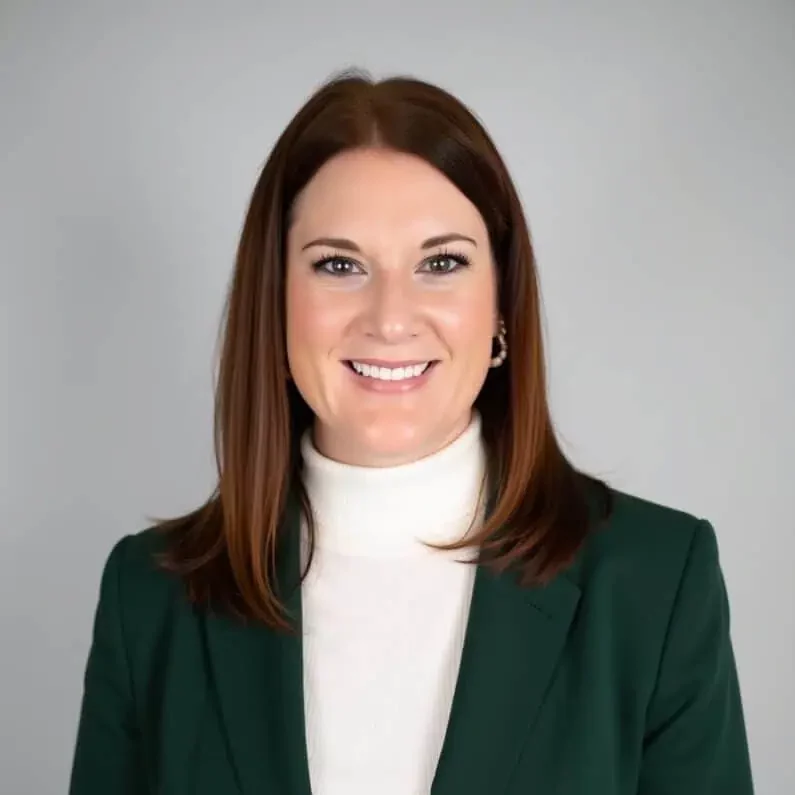
Amanda is Chief Wonder Officer of Wonder Services, where she leads a team of AI transformation experts helping companies navigate the AI revolution with confidence. Drawing from 21+ years of technology implementation experience at MGM Resorts International and Kraft-Heinz, Amanda founded Wonder Services to bridge the gap between AI’s potential and practical business results.

Watch next

Let’s talk about your procurement potential.